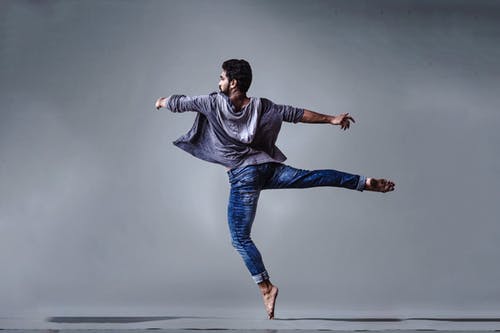
Mark Hochberg is an NYU Tisch School of the Arts dance student. He has always been passionate about the art of movement. And NYU’s curriculum allows him to immerse in diverse styles and genres so that he can further hone his skills. For those who are not yet familiar with contemporary dance, the art form draws from different disciplines such as ballet, jazz, and modern dance. The fusion of these techniques allows a dancer to express themselves through more movements.
Ballet, one of the dance techniques usually seen in modern dance, started in Italy during the 16th century. Known for its structured yet smooth and elegant movement, the style gained popularity all over the world. However, during the 20th century, ballet dancers started to develop their own ballet techniques. Merce Cunningham, the father of contemporary dance, started to use traditional techniques to interpret abstract ideas. He also took ballet out of the theatre. As someone familiar with ballet, NYU freshman Mark Hochberg appreciates how the discipline contributes to the formation of a dancer’s individual style.
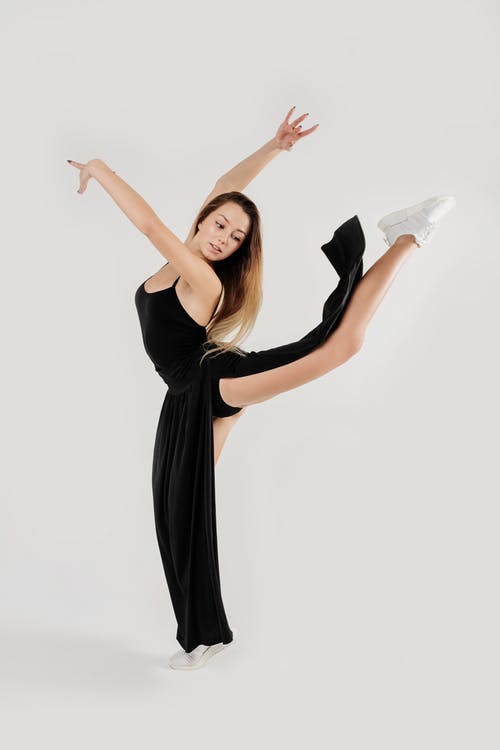
Jazz is also another genre under contemporary dance that uses European and African style of dancing with jazz music. According to Mark Hochberg, NYU student, this style of dance was first seen in the jazz music scene in New Orleans. Jazz was first associated with the African American community during the Great Migration, but those with training in ballet and modern dance used this technique in their choreographies.
Lastly, modern dance is a contemporary style that allows a dancer to have their own interpretation instead of following structured steps. Those who do modern dance, while also trained in classical styles, believe in expressing their thoughts and feelings through their movement.
 Mark Hochberg NYU