How should one prepare for dance auditions?

Image source: Pexels.com

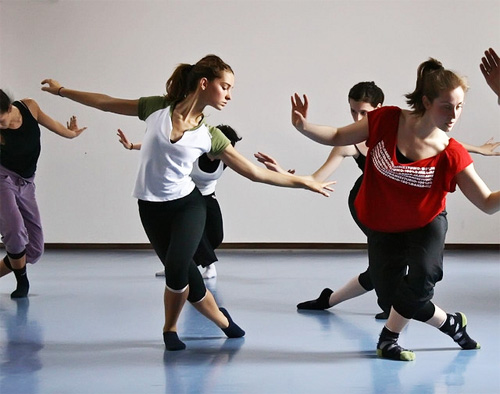
Those who want to pursue dance for college need to prepare well for their audition. Aside from polishing steps and preparing for performances, one must also get ready for an interview. Mark Hochberg, an NYU freshman dance student, shares some tips that will help aspiring dance college students impress during their auditions.

Choose an audition piece wisely

Consulting a dance teacher or a choreographer will help a student prepare an audition piece that shows their skills and passion. Preparing the piece a few months before will give the student a chance to master and perform the piece with confidence, Mark Hochberg from NYU says. He also shares that one should perform in the genre that they’re good at to show their abilities to the panel. Some auditions might require a student to perform other routines, so it’s best to come prepared with more than one piece.

Bring the essentials

When auditioning, don’t forget to bring application forms, certifications, ID photos, a CD or flash drive with the music, extra clothes and accessories, and other essentials. The waiting time might last for hours, so it might be a good idea to bring light snacks and water.

Look the part
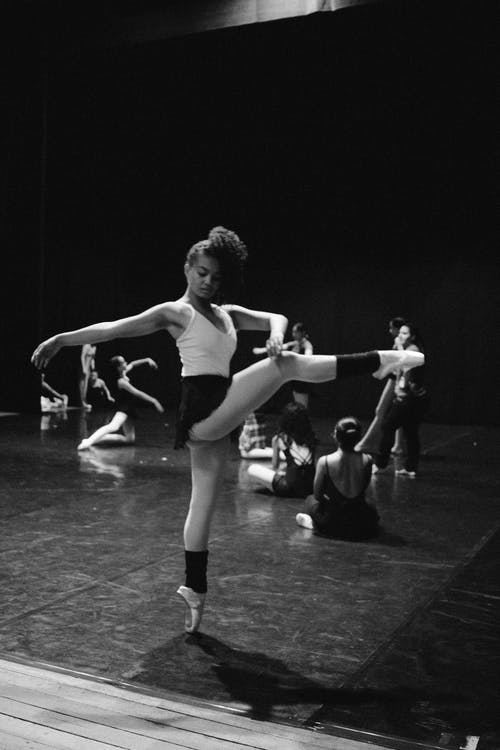
Image source: Pexels.com

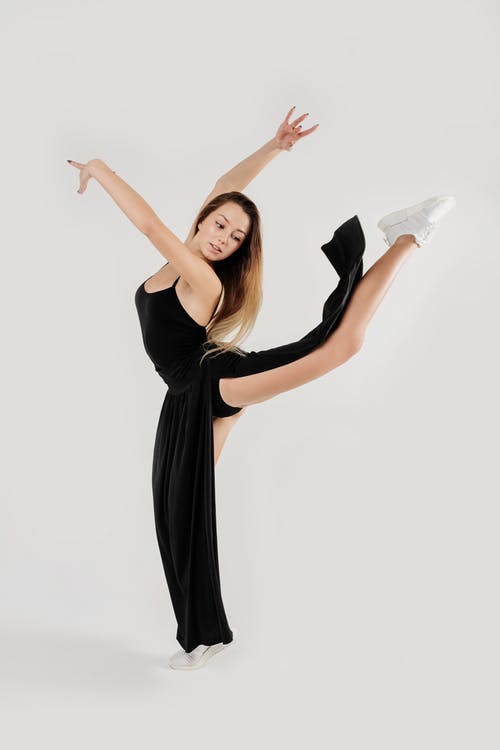
Auditions have dress codes. Make sure to dress for success by looking neat and confident. Prepare different dance shoes and dancewear, just in case. Mark Hochberg of NYU shares that some might want to see the form of the auditionees so layering and baggy clothes might not be appropriate. Makeup and hairstyle should be neat and appropriate for the event to make a good impression.

Be familiar with the audition venue and the campus

One might get lost in an unfamiliar campus, so it’s best to check out the venue before the audition. Students who will audition must make it a point to arrive at the venue at least an hour before the schedule. This will allow them to register, do warmups, and mentally prepare for the audition.
Is strength training good for dancers?

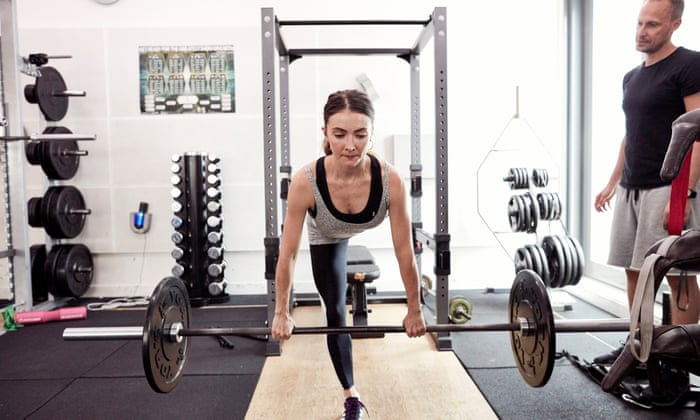
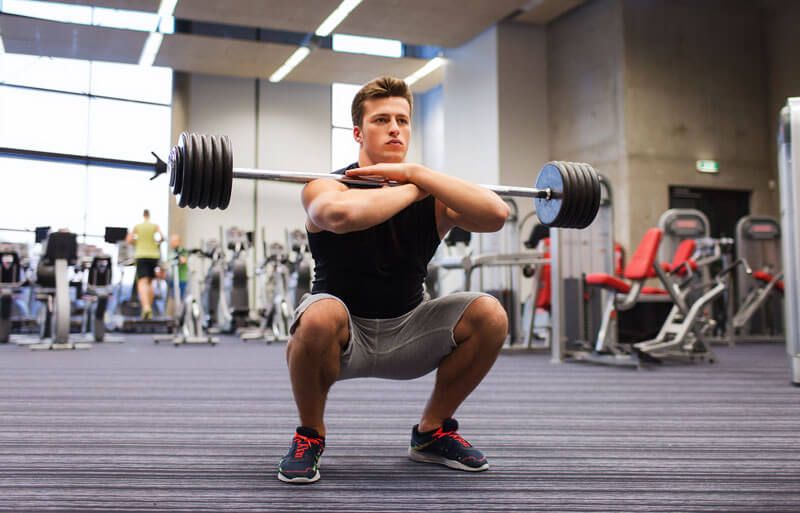
Dancers need to be light on their feet to move swiftly. Gaining a few healthy pounds due to muscle growth doesn’t seem like a good idea at first. However, strength training or weight training can actually make a dancer feel stronger and leaner.

Mark Hochberg, NYU Tisch Department of Dance student, incorporates weight training in his daily dance practice. It’s important to note that having stronger muscles allows a dancer to jump higher, move faster, and dance with more power. While many believe that strength training will make one’s body bulky, it’s not exactly the case. A few days of strength training a week will not be enough to bulk up a dancer’s body, only tone it.

Strength training encourages a dancer to be more in tune with their body. Flexibility is a critical element of dancing. Contrary to popular belief, lifting weights won’t make a dancer’s body stiff. In fact, weight training improves flexibility and prevents injuries caused by a muscle strain. Additionally, resistance training enhances the range of motion. Keeping joints neutral ensures they work properly for a long time. Weight training introduces dancers to stability, not just flexibility. Being able to hold a pose longer than usual is one of the results of strength training.

Mark Hochberg, NYU student, says that weight training improves a dancer’s strength and endurance. Muscles have to be worked differently to avoid fatigue. Imbalances in the body are common for dancers. Weight training works all the muscles needed for dancing and prevents imbalance.

Health crisis protection: Dancing to strengthen the body

NYU freshman and dance major Mark Hochberg has remained quite productive during the quarantine period. During his free time, when he isn’t dancing, Mark blogs about his passion for the art.

For this blog, Mark explores the many ways dance can strengthen the body and make it strong enough to face the global health crisis and the COVID-19 pandemic. Here are some benefits of dancing for the body.

Boosting cardiovascular and respiratory health: Dancing is just as effective as any aerobic exercises that bode well for the heart and lungs. This means that dancing improves blood circulation and increases lung capacity, two things that are crucial these days with the spreading of the novel coronavirus.

Shedding of the extra pounds: In line with dancing being an aerobic exercise, it is quite a fun way of losing weight. Dance routines, when done continuously for 20 to 30 minutes, can burn hundreds of calories and help shed extra pounds, which only bodes well for one’s health.

Improving balance and coordination: Due to all the movements and twisting of the torso when dancing, dancers have developed incredibly strong core muscles. These are the muscles of the abdomen and lower back. NYU student Mark Hochberg explains that having a solid core means having strong balance and coordination.

Contemporary dance: Understanding the diverse styles and genres

Mark Hochberg is an NYU Tisch School of the Arts dance student. He has always been passionate about the art of movement. And NYU’s curriculum allows him to immerse in diverse styles and genres so that he can further hone his skills. For those who are not yet familiar with contemporary dance, the art form draws from different disciplines such as ballet, jazz, and modern dance. The fusion of these techniques allows a dancer to express themselves through more movements.

Ballet, one of the dance techniques usually seen in modern dance, started in Italy during the 16th century. Known for its structured yet smooth and elegant movement, the style gained popularity all over the world. However, during the 20th century, ballet dancers started to develop their own ballet techniques. Merce Cunningham, the father of contemporary dance, started to use traditional techniques to interpret abstract ideas. He also took ballet out of the theatre. As someone familiar with ballet, NYU freshman Mark Hochberg appreciates how the discipline contributes to the formation of a dancer’s individual style.

Jazz is also another genre under contemporary dance that uses European and African style of dancing with jazz music. According to Mark Hochberg, NYU student, this style of dance was first seen in the jazz music scene in New Orleans. Jazz was first associated with the African American community during the Great Migration, but those with training in ballet and modern dance used this technique in their choreographies.

Lastly, modern dance is a contemporary style that allows a dancer to have their own interpretation instead of following structured steps. Those who do modern dance, while also trained in classical styles, believe in expressing their thoughts and feelings through their movement.

How to become a successful dance student

The dance classes your take for your major will demand your best and push you to your limits. If you’ve ever felt like you’re out of your depth once you step into the university’s dance studio like the one at Tisch, here are the things upper class students shared about becoming successful in your major academic dance subjects. Mark Hochberg NYU

The first thing you need to ingrain in yourself is to always be overprepared. Before you sleep at night, you need to prepare your leotard, your clothes, and your things for dance class. This way you’ll be able to focus on resting and sleep so you can be your best self in the morning. You’ll need all the mental edge you can get so it’s best if you arrive early and start stretching before your instructor asks you to assemble.

Once you’re inside the studio and the classes have begun, you owe to yourself, your dance teacher, and your classmates to become present in every way. What do I mean by this? First you’ll need to remove any mental fuzz outside of your head and believe nothing exists outside of that studio. Your business is to move your body according to the choreography and make those corrections while accepting yourself and other’s mistakes. Follow instructions and let your body do the thinking while, at the same time, coming back to previous movements you’ve done that are similar to the new ones you’re making. Pay attention to what your classmates ask your teacher, make notes of their concerns so you can apply it to your own case accordingly, and make sure you minimize your own tendency to be a distraction. Mark Hochberg NYU

Finally, once you’re outside of the studio, take the time to relax but also prepare your body for the next class. You have to condition and do the necessary exercises to keep yourself limber and toned. Professional dancers take care of their bodies because it’s their only instrument to perform their art and make a living. You should start thinking about the way they work on becoming successful students, even if you’re just starting out in dance school. Mark Hochberg NYU

Design a site like this with WordPress.com
Get started